

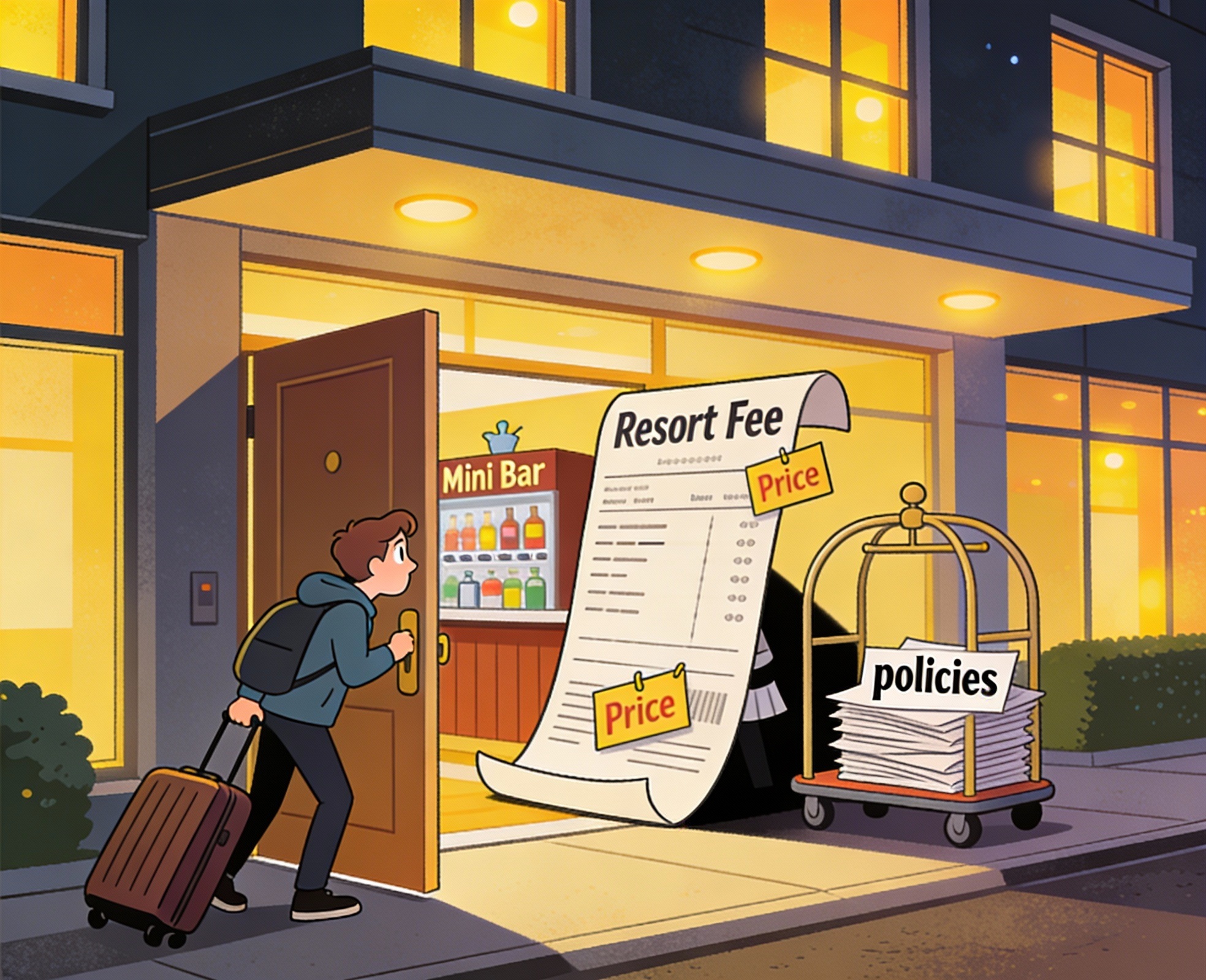
Some hotels quietly make a lot of money from things most guests never notice. Here are 19 secrets that can save you stress and cash, and sometimes get you better treatment.
1. “Sold out” doesn’t always mean sold out
Many properties say they’re “fully booked” but still have rooms blocked for VIPs, corporate accounts, or walk‑ins. Ask politely if there are any “unreleased” or “blocked” rooms and you may get one.
2. Direct bookings often get better treatment
Staff frequently prioritize guests who book direct over third‑party sites when it comes to upgrades and flexibility, even if the room price looks similar. If you want favors later, consider booking with the hotel itself.
3. Rack rates are almost never the real price
The price you see on the back of the door or quoted as the “standard rate” is usually an anchor, not what most guests actually pay. There is often room to discount, especially on low‑occupancy nights.
4. Upgrades are easier at the desk than online
Front‑desk agents often control inventory in real time and can move you to a better room type with a few clicks. Being friendly, checking in a bit later, and asking “Is any complimentary upgrade available?” often works.
5. Early check‑in fees are sometimes made‑up
“Early check‑in fee” is often a policy used selectively to create extra revenue from tired travelers. If the room is clean and ready, many agents will waive it if you ask calmly or mention elite status/long travel.
6. Resort fees hide the real room cost
Mandatory “resort fees” or “destination fees” let hotels appear cheaper in search results but add a big chunk at checkout. Many of the included “perks” (Wi‑Fi, gym, local calls) cost the hotel very little.
7. Mini‑bar charges are easy to dispute
Mini‑bar sensors misfire and housekeeping sometimes miscounts items, so erroneous charges are common. Always check your folio before leaving and challenge any mini‑bar charges you don’t recognize.
8. Not all “upgrades” are actually better
You may be offered a “view upgrade” that’s closer to a noisy street, elevator, or nightclub. Ask what exactly changes—square footage, floor, noise level—before accepting any paid upgrade.
9. Housekeeping doesn’t always deep‑clean
Daily cleaning often focuses on obvious surfaces, trash, and bed‑making, not every high‑touch area. Light switches, remotes, and handles can be neglected, so many frequent travelers wipe these down themselves.
10. Your room type is never guaranteed
Most terms say “room type preferences are not guaranteed,” which gives the hotel wiggle room on busy nights. If you really need two beds or accessibility features, call ahead and reconfirm before arrival.
11. Complaints can unlock better rooms
Reasonable, specific complaints (noise, smells, broken items) documented early in your stay give staff a legitimate reason to move you or offer compensation. Calm, solution‑oriented guests usually get more help than angry ones.
12. Loyalty members get quiet perks
Even low‑tier loyalty members may get better Wi‑Fi, late checkout, or better room placement, sometimes without being told. Joining the program is usually free and can pay off quickly.
13. “Green choice” can be more about savings than sustainability
Opt‑out housekeeping programs save hotels labor and laundry costs, though they’re framed as eco‑friendly. If you participate, make sure you actually receive the promised points or vouchers.
14. The walk‑in rate can beat online prices
On very slow nights, a polite walk‑in may secure a lower rate than what’s listed online, especially at independent hotels. Asking “What’s your best rate for tonight?” can open the door to unadvertised pricing.
15. Conference and group rates may be available to you
If a hotel is hosting a large conference, there may be a special rate code that’s not tightly controlled. Asking, “Is there a conference or corporate rate available for tonight?” sometimes gets you that price without proof.
16. Room service pricing hides multiple markups
The menu price often excludes a delivery fee, service charge, and expected tip, which can add a large premium over restaurant prices. Ordering delivery from outside or grabbing food from nearby spots is usually far cheaper.
17. You can often store bags for free
Even after checkout, hotels frequently store luggage at no charge so you can explore the city. Some may suggest a fee, but it’s often optional or waived if you’ve been a courteous guest.
18. Front desk can quietly fix online mistakes
Wrong dates, missing preferences, or minor booking errors made through third‑party sites can sometimes be adjusted in‑house. Being upfront about the mistake and flexible on room type helps your odds.
19. Staff notes follow you
Profiles often contain notes about frequent complainers, no‑shows, and especially gracious guests. Consistently polite behavior and reasonable requests today can translate into better treatment on future stays.

