

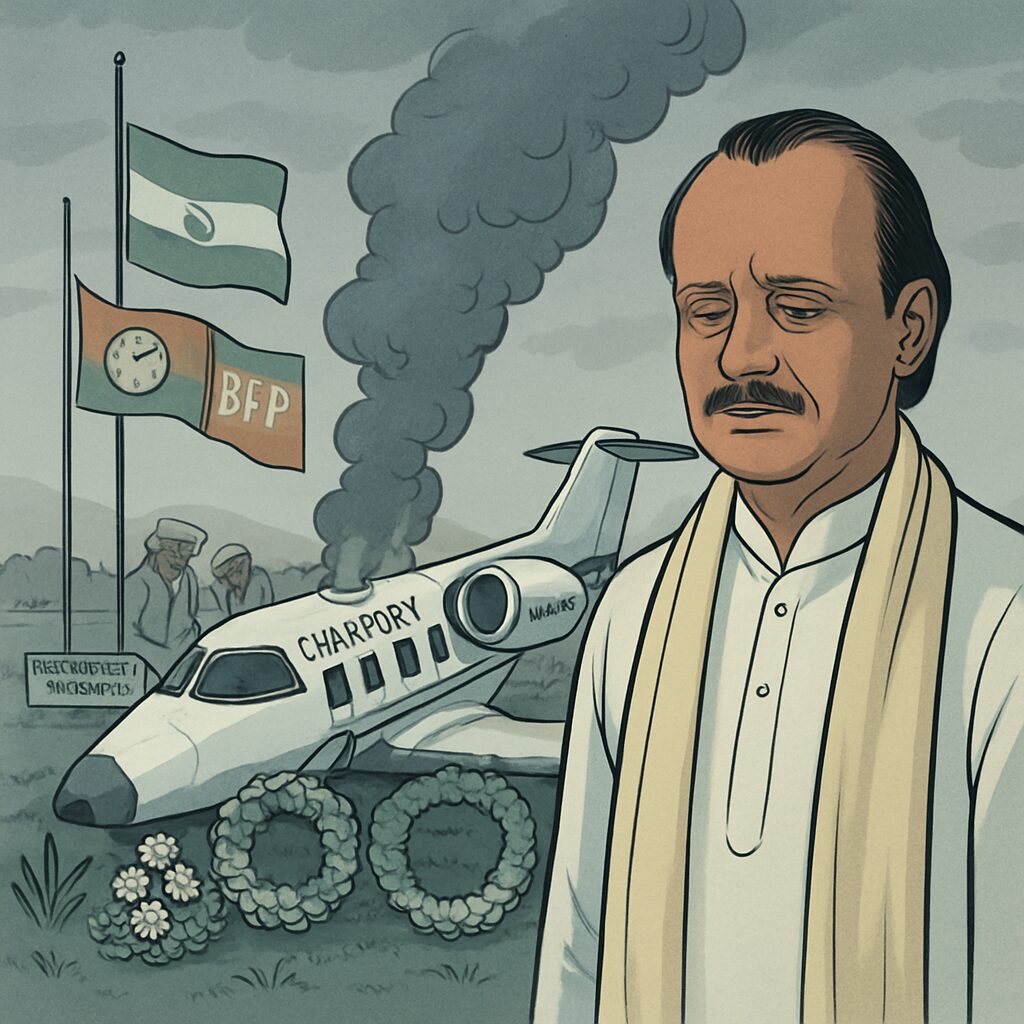
Ajit Pawar, the deputy chief minister of India’s Maharashtra state, died in a plane crash on January 28, 2026, along with four other individuals, sending shockwaves through the political landscape. The crash occurred early Wednesday morning when a chartered Learjet 45, operated by VSR, crash-landed at Baramati airport in Pawar’s home constituency. The aircraft had taken off from Mumbai and was attempting a second approach when it lost control and exploded upon impact, according to aviation officials and witnesses. All five people on board were killed, including Pawar, two members of his staff, and the two crew members. The cause of the crash has not been officially determined, and India’s Directorate General of Civil Aviation (DGCA) has launched an investigation into the incident.
Ajit Pawar, 66, was a veteran politician and a central figure in Maharashtra’s turbulent politics. As the nephew of Sharad Pawar, founder of the Nationalist Congress Party (NCP), he built his career through grassroots networks and served multiple terms as deputy chief minister, most recently in a coalition with Prime Minister Narendra Modi’s Bharatiya Janata Party (BJP). Known for his shrewd political acumen and charismatic personality, Pawar was affectionately called “dada” (elder brother) by supporters. He was a skilled orator and administrator, but his career was also marred by controversies, including allegations related to an irrigation scam, which he consistently denied.
The news of his death prompted an outpouring of grief and tributes from across the political spectrum. Prime Minister Modi described Pawar’s demise as “shocking and saddening,” while opposition leaders and colleagues expressed deep sorrow, highlighting his contributions to state politics and his commitment to empowering the poor. Maharashtra has declared three days of state mourning, with flags at half-mast and public events cancelled. The state’s chief minister, Devendra Fadnavis, lamented the loss of a “strong and generous friend,” reflecting the personal and political void left by Pawar’s sudden death.
Pawar’s death creates a significant vacuum in Maharashtra’s political dynamics, particularly in the sugar belt regions where he wielded considerable influence. His ability to mobilize rural voters was key to his party’s strength, and his absence may lead to realignments in the state’s governing coalition. As investigations into the crash continue, the focus will shift to funeral arrangements and the political future of Maharashtra. Pawar’s legacy as a populist leader and his impact on Indian politics will be remembered, even as the state grapples with the immediate aftermath of this tragedy.

