

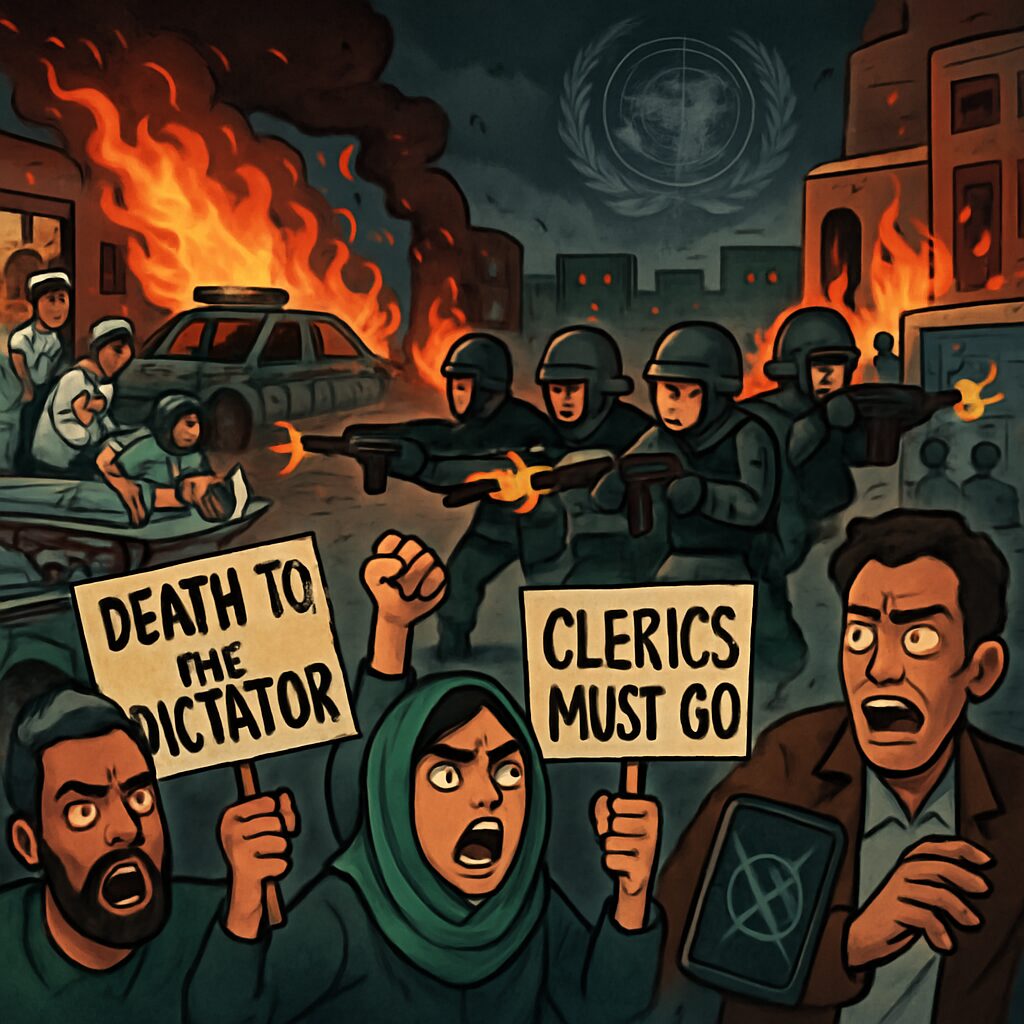
In a brutal crackdown on nationwide protests, Iranian security forces have used lethal force against demonstrators, with eyewitnesses reporting direct firing into crowds and a death toll that could reach into the hundreds or thousands, according to reports from BBC and Iran International. The events have drawn international condemnation and heightened tensions.
Over the past week, Iran has been rocked by some of the largest anti-government protests in years, sparked by worsening economic conditions and fueled by calls from exiled figures. On Thursday and Friday, demonstrations swelled across the country, with eyewitnesses describing scenes of violence as security forces, including the paramilitary Basij and Revolutionary Guard Corps, opened fire on unarmed protesters. In cities like Fardis near Tehran, witnesses reported that forces on motorcycles fired live ammunition directly at crowds, leading to multiple casualties in every alley.
The crackdown has been accompanied by a near-total internet blackout imposed by authorities, severely hampering communication and independent reporting. Despite this, accounts from nurses, medics, and eyewitnesses have filtered out, painting a grim picture of overwhelmed hospitals and bodies piling up in mortuaries. Videos verified by news organizations show rows of bodies at forensic centers, with sources indicating that hundreds may have been killed in recent days. Iran Human Rights, a Norway-based group, estimates at least 648 deaths, while local sources suggest numbers could be much higher.
The protests have seen a significant turnout in key cities, including Tehran, Mashhad, and Qom, with chants against Supreme Leader Ali Khamenei and the clerical establishment. Demonstrators have used slogans like ‘Death to the dictator’ and ‘Clerics must go,’ reflecting growing secularization and anti-government sentiment. In some areas, protesters set fire to police vehicles and government buildings, while security forces responded with tear gas and live rounds.
International reaction has been swift, with UN Secretary-General António Guterres expressing shock at the excessive use of force and calling for restraint. European officials have voiced concern, and the US is considering its response, with President Donald Trump reportedly weighing military and covert options. Iran’s leadership has accused foreign enemies, particularly the US and Israel, of fomenting the unrest and vowed not to back down, warning of retaliation if attacked.
The role of exiled Prince Reza Pahlavi, son of the last shah, has been pivotal, as his calls for protests and strikes have galvanized support. Eyewitnesses report that many joined the demonstrations after his appeals, leading to intensified clashes. Meanwhile, Iran’s state media has framed the protests as acts of sabotage by rioters, reporting that over 100 security personnel have been killed.
Medical sources in cities like Rasht and Karaj have reported receiving dozens of bodies, with hospitals struggling to treat the injured, many of whom have severe head and eye wounds. There are allegations that security forces demanded ‘payment for bullets’ before releasing bodies to families, adding to the anguish. The internet shutdown has made it difficult to verify casualty figures, but the consistency of accounts suggests widespread violence.
As the crisis unfolds, analysts note that the protests represent a significant challenge to the Islamic Republic, with some describing it as a potential endgame. The combination of economic hardship, political repression, and international pressure is creating a volatile situation. Protests continue despite the crackdown, indicating persistent discontent among the population.
Looking ahead, the international community is closely monitoring the situation, with calls for independent investigations and the restoration of communications. The outcome could hinge on the regime’s ability to suppress dissent versus the protesters’ resilience, with implications for regional stability and global politics. The events highlight the ongoing struggle for human rights and political change in Iran.

