

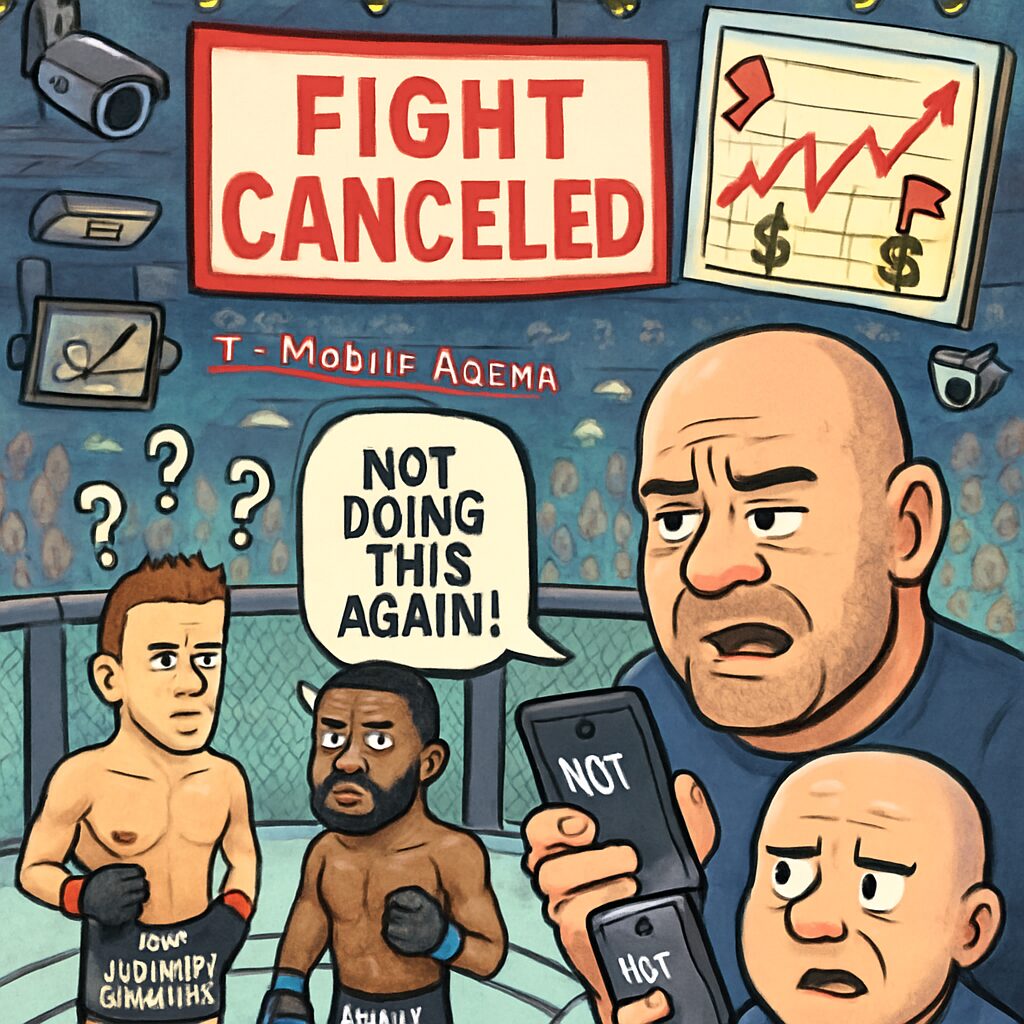
A lightweight bout at UFC 324 was abruptly canceled hours before the event on Saturday, January 25, 2026, after betting monitors flagged suspicious activity, with UFC CEO Dana White confirming the decision was made to prevent potential fight-fixing.
The fight between Alexander Hernandez and Michael Johnson was pulled from the card at T-Mobile Arena in Las Vegas just as the event was set to begin. Initially, no reason was given for the cancellation, but White later explained at a post-fight news conference that the promotion received a call from gaming integrity services alerting them to unusual betting patterns. “It happened again,” White said. “We got called from the gaming integrity service, and I said, ‘I’m not doing this s— again.’ So, we pulled the fight.”
This incident marks the third public case of suspicious betting surrounding UFC events in recent years. In 2022, coach James Krause was suspended after a bout involving his student Darrick Minner drew betting interest due to a pre-fight injury. More recently, in November 2025, a fight between Isaac Dulgarian and Yadier del Valle proceeded despite similar flags, with Dulgarian losing under circumstances that raised concerns. Unlike that case, where the UFC allowed the fight to go on, this time the promotion acted proactively.
The FBI is already investigating the earlier incidents, and White indicated that this new case will likely be added to their probe. Betting patterns showed significant money coming in on Michael Johnson, prompting some sportsbooks to halt prop bets and limit wager amounts. White emphasized that the UFC is monitoring all bets closely and working to prevent fixed fights, though he has denied that such issues are widespread in the organization.
Neither Hernandez nor Johnson have publicly commented on the cancellation, leaving their immediate futures in the UFC uncertain. The fighters were scheduled for a lightweight matchup that could have impacted their rankings, but now face potential scrutiny as investigations unfold. This highlights the personal and professional repercussions for athletes caught in betting controversies, even if they are not directly implicated.
The UFC has implemented monitoring systems like Integrity Compliance 360 to track bets and maintain integrity, but this event shows ongoing challenges as sports betting becomes more integrated with MMA. White has acknowledged the need for constant vigilance and collaboration with regulatory bodies to ensure fair competition. The promotion’s decision to cancel the fight reflects a heightened awareness of past mistakes and a commitment to proactive measures.
Looking ahead, this cancellation may lead to stricter protocols and penalties for those involved in betting irregularities. It also raises broader questions about the integrity of the sport and the balance between entertainment, gambling, and athlete safety. As betting on MMA continues to grow, maintaining transparency and trust is essential for the UFC’s credibility and the well-being of its participants.
In conclusion, while the UFC strives to address betting concerns, incidents like this underscore the complex dynamics at play. The organization plans to continue working with law enforcement and betting regulators to safeguard the sport, ensuring that future events are conducted with the highest standards of fairness and integrity.

