

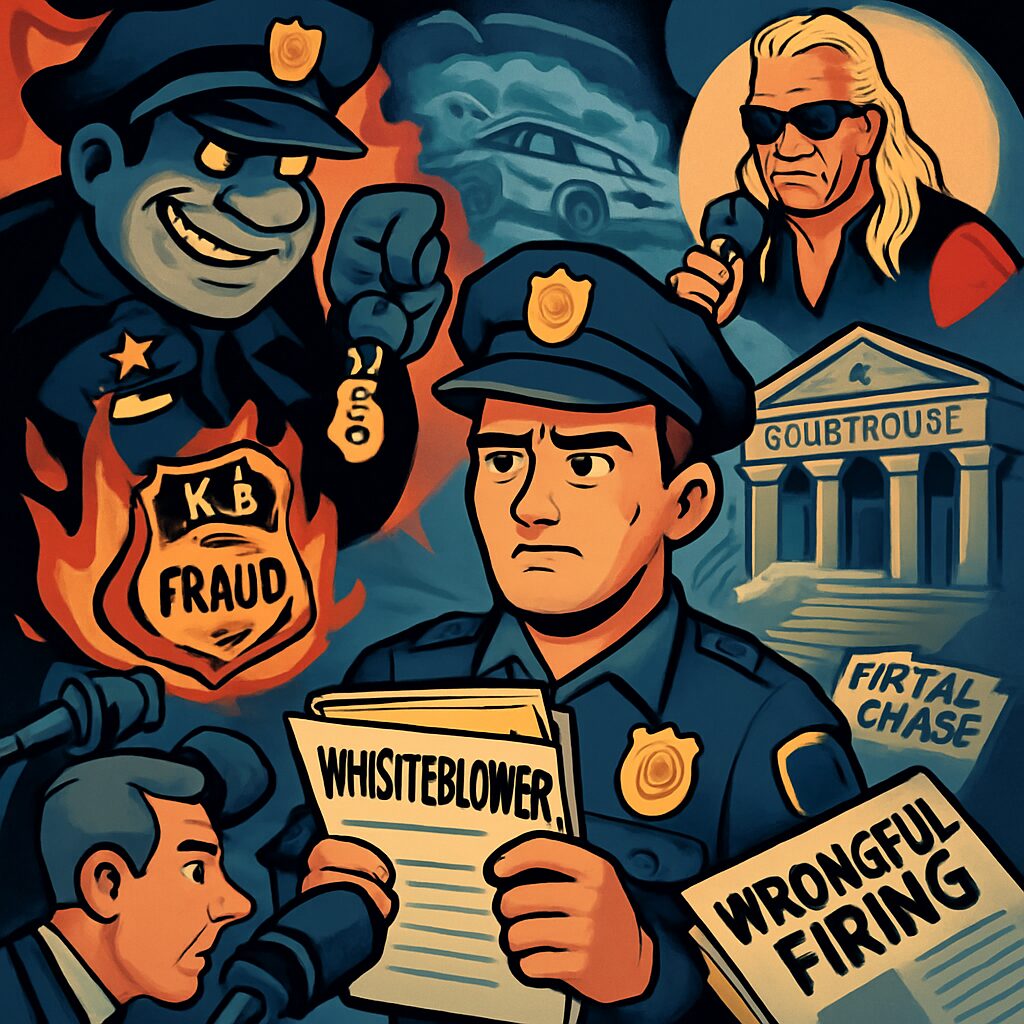
Garry Chapman, the son of reality TV star Dog the Bounty Hunter, has filed a federal lawsuit against the Priceville Police Department and city officials in Alabama, alleging wrongful termination and retaliation for exposing internal corruption.
Chapman joined the Priceville Police Department in January 2025 and quickly became a top performer, but in September, he was involved in a high-speed chase of an impaired driver that resulted in a crash killing a teenager. He was fired for violating pursuit policies but reinstated after an appeal, though he claims the termination was unjust.
The lawsuit details that Chapman began reporting misconduct within the department, including unprofessional behavior by a fellow officer and plans to fraudulently acquire a department K-9. He also alleged that former Chief Jerry Holmes intended to misuse federal seizure funds for personal luxury vehicle purchases, violating Department of Justice guidelines.
When Chapman raised these concerns, he says leadership retaliated by interrogating him and initiating a “papering campaign” to document minor issues in his personnel file. After the fatal chase, Mayor Sam Heflin publicly highlighted Chapman’s family ties to Dog the Bounty Hunter, which Chapman alleges was a deliberate strategy to vilify him in national media.
Despite being reinstated with a suspension in October, Chapman faced continued retaliation. His unredacted personnel file was released to the media, exposing personal information, and a sergeant promotion he applied for was frozen after he filed a whistleblower complaint about illegal database access by another officer.
The federal lawsuit, filed in the U.S. District Court for the Northern District of Alabama, alleges First Amendment retaliation, whistleblower violations, equal protection breaches, denied due process, civil conspiracy, and tortious interference with employment prospects. Chapman is seeking compensatory damages for lost wages and reputational harm that has hindered his law enforcement career.
This case highlights ongoing issues in police departments regarding internal accountability and whistleblower protection. Chapman’s claims suggest systemic problems within the Priceville Police Department, potentially influencing future practices and legal precedents for handling similar misconduct reports.
The lawsuit is pending, and officials have not yet commented publicly. The outcome could impact Chapman’s employment prospects and set standards for how law enforcement agencies address internal corruption and retaliation claims.

