

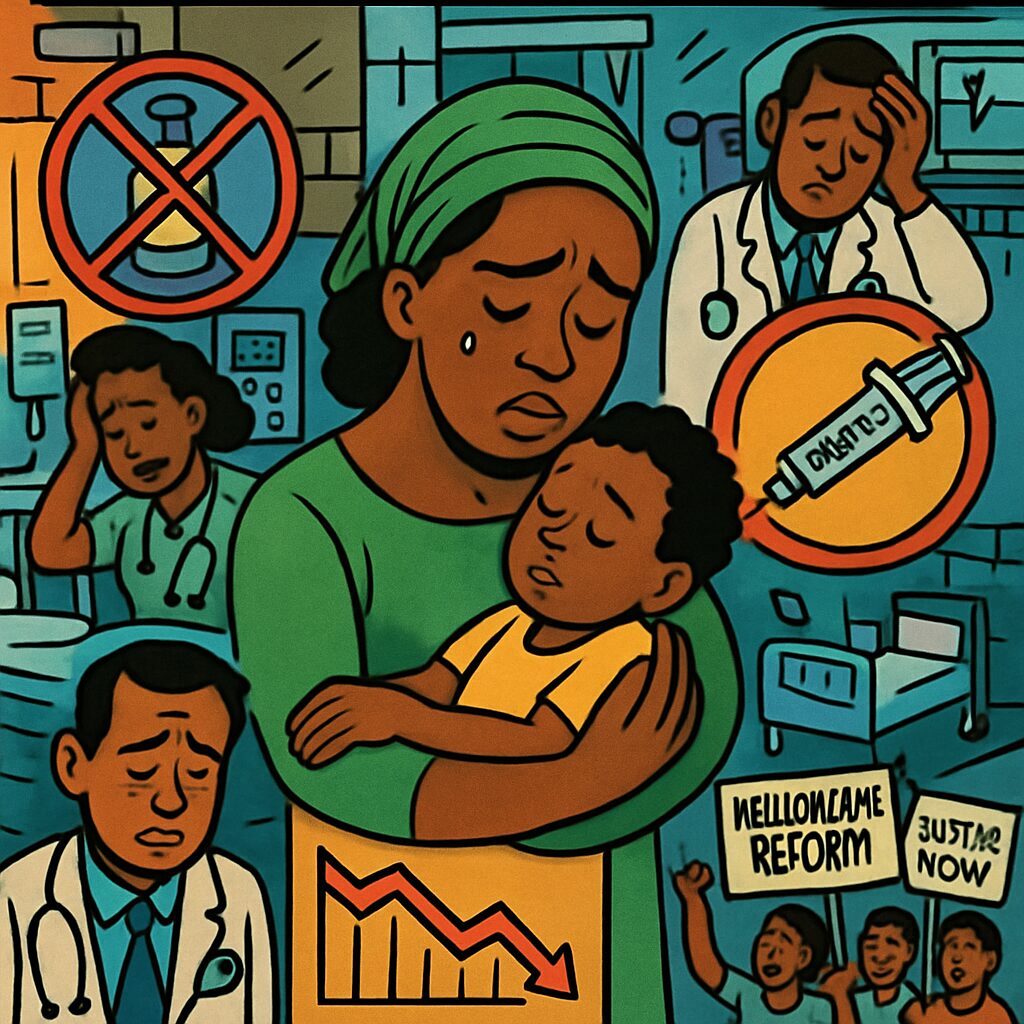
The tragic death of acclaimed Nigerian author Chimamanda Ngozi Adichie’s 21-month-old son has sparked widespread outrage and renewed scrutiny of Nigeria’s healthcare system, with allegations of medical negligence pointing to deep-seated systemic issues. Nkanu Nnamdi, one of Adichie’s twin boys, died on January 6 at Euracare Hospital, a private facility in Lagos, following a short illness. In a leaked WhatsApp message, Adichie accused the hospital of negligence, stating that her son was denied oxygen and administered an overdose of the sedative propofol, leading to cardiac arrest. The family has served a legal notice to the hospital, demanding CCTV footage and medical records, while the hospital has denied any wrongdoing, asserting that care was provided according to international standards. The Lagos State Government has ordered an investigation into the death, acknowledging the profound tragedy. This case is not isolated; it has brought to light other harrowing instances of alleged medical negligence across Nigeria. For example, Aisha Umar, a mother of five in Kano, died after surgical scissors were left in her abdomen during an operation, with her family alleging months of neglected pain. Similarly, Josephine Obi from Lagos recounted how her father died due to a surgical error at a state-run hospital, highlighting a pattern of unaddressed mistakes. These incidents underscore systemic failures in Nigeria’s healthcare infrastructure. The country faces a critical shortage of medical professionals, with a doctor-to-patient ratio estimated at 1:8,000, far below the recommended 1:600. This crisis is exacerbated by a massive brain drain, as thousands of doctors emigrate for better opportunities abroad, leaving remaining staff overworked and under-resourced. Chronic underfunding is another key issue, with only about 5% of the federal budget allocated to health, well below the African Union’s target of 15%. Public anger has been amplified by the high-profile nature of Adichie’s case, giving voice to countless Nigerians who have experienced or witnessed medical errors. Surveys indicate that around 43% of Nigerians have encountered such issues, with about a third suffering additional injuries from treatment. The reliance on private hospitals, which are expensive and inaccessible to many, further compounds the problem, as even these facilities are not immune to criticism, as seen in Adichie’s allegations. In response, medical associations and analysts call for urgent reforms, emphasizing the need for improved clinical governance, better funding, and addressal of workforce challenges. President Bola Tinubu has expressed condolences, and there is growing pressure on the government to enact meaningful changes to prevent future tragedies. The case has also highlighted the trend of medical tourism among wealthy Nigerians, including past presidents, which drains resources and trust from the domestic system. As investigations proceed, the death of Adichie’s son has become a symbol of a national healthcare crisis, prompting calls for accountability and systemic overhaul to ensure patient safety and restore public confidence in Nigeria’s medical institutions.
Tragic death of Adichie’s young son highlights poor state of Nigeria’s health sector


RELATED ARTICLES
- Advertisment -