

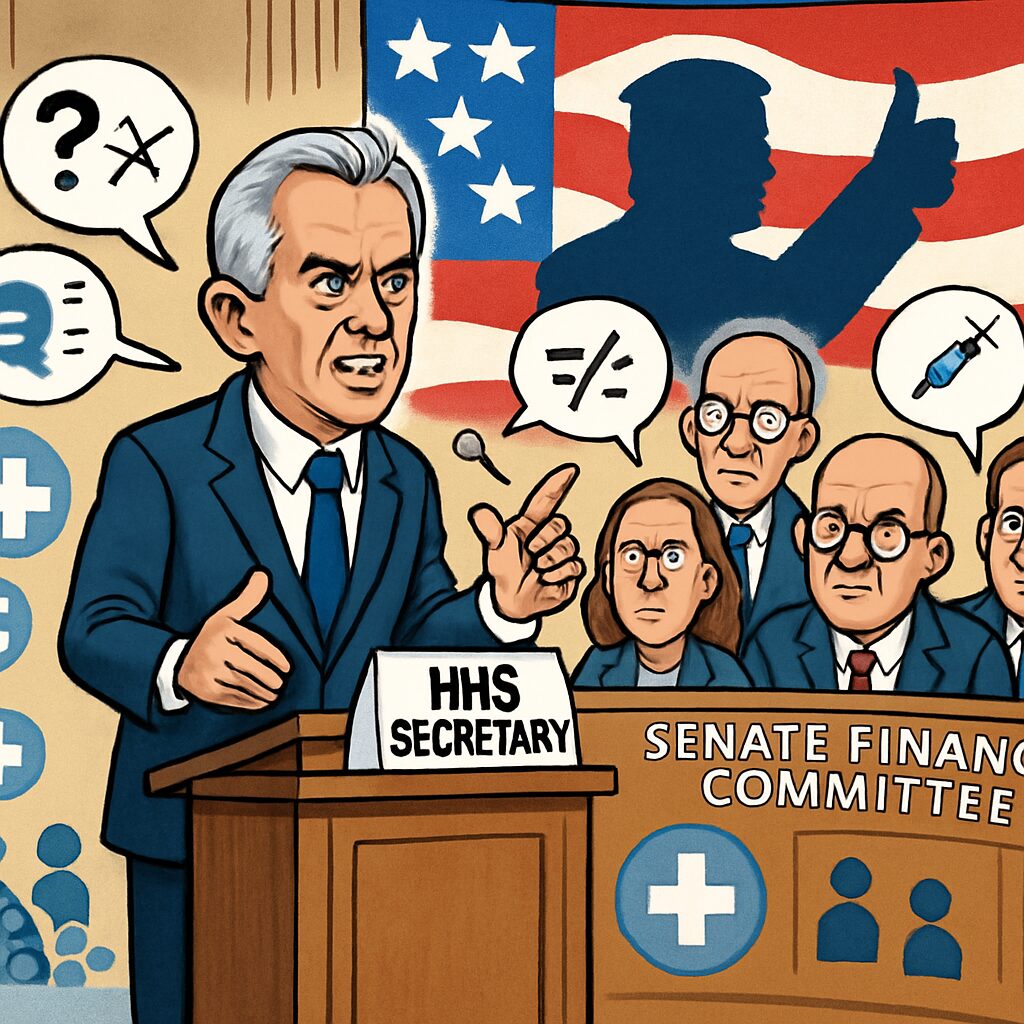

HHS Secretary Robert F. Kennedy Jr. forcefully defended his policies and rebutted criticisms during a Senate Finance Committee hearing on September 4, 2025, asserting alignment with President Trump’s health agenda. He accused senators of misrepresenting facts and attempting to drive a wedge between him and the administration, emphasizing commitments to healthcare efficiency and individual choice.
The hearing featured intense questioning from senators on both sides of the aisle, focusing on Kennedy’s recent actions at HHS, including initiatives to crack down on health data blocking and expand access to treatments. Kennedy detailed how these measures support the Trump administration’s goal of making Americans healthier by reducing bureaucratic barriers and promoting patient-centered care. He argued that such steps are essential for improving healthcare outcomes and empowering individuals.
Discussions frequently turned to vaccine policies, a area where Kennedy has faced scrutiny due to his past skepticism. He clarified that while he advocates for vaccine safety and transparent communication, he opposes mandates that could undermine public trust. Kennedy stressed the importance of scientific debate and informed consent, positions he claims are consistent with the administration’s broader health strategy.
Senators pressed Kennedy on potential conflicts with established medical guidelines and the implications for public health preparedness. In response, he highlighted efforts to balance innovation with safety, citing collaborations with industry stakeholders to reform prior authorization systems and address health disparities. Kennedy’s rebuttals were firm, often charging that critics were spreading falsehoods or twisting his statements for political gain.
The hearing also exposed underlying political tensions, with some senators questioning Kennedy’s loyalty to Trump or suggesting divisions within the Republican Party. Kennedy dismissed these attempts, reaffirming his close working relationship with the president and their shared vision for healthcare reform. He portrayed any disagreements as minor and overstated by opponents.
Kennedy outlined future plans for HHS, including further reforms to streamline healthcare processes and initiatives aimed at combating chronic diseases. He called for bipartisan cooperation to achieve these goals, despite the adversarial tone of the proceedings. His performance underscored the challenges of implementing health policy amid partisan scrutiny.
The event reflects broader national debates over healthcare, government oversight, and the role of science in policy-making. It may influence Kennedy’s effectiveness in advancing the administration’s agenda and could lead to additional congressional hearings or legislative actions.
In conclusion, the hearing highlighted the complexities of health governance in a polarized environment, with Kennedy positioning himself as a steadfast advocate for the Trump administration’s health priorities while navigating congressional challenges.