

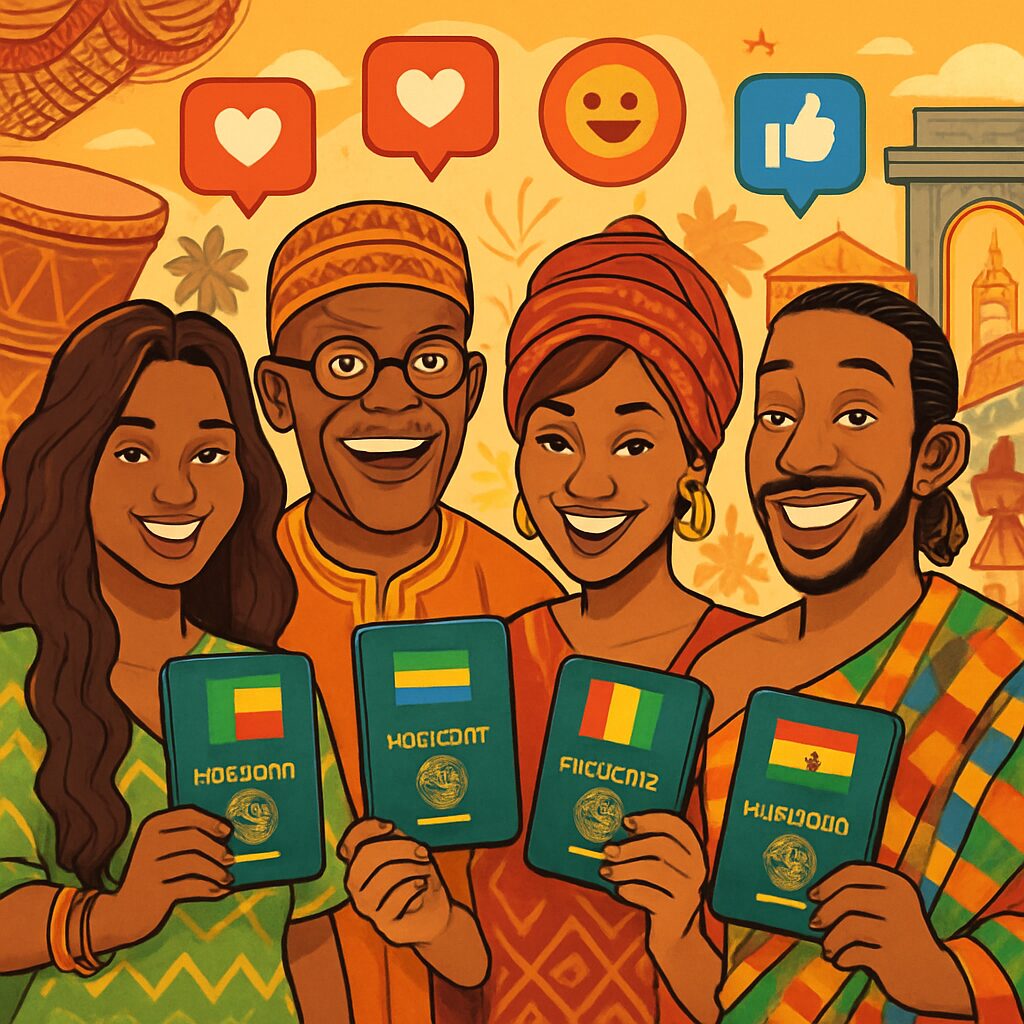
In a growing trend, African nations like Ghana, Benin, Guinea, and Gabon are granting citizenship to black American celebrities, leveraging their star power to foster cultural reconnection and economic ties with the diaspora. This strategic move, highlighted by recent ceremonies for figures such as Ciara and Samuel L. Jackson, aims to capitalize on the influence of the African-American community while promoting tourism and investment.
Historically, the bond between African-Americans and Africa dates back centuries, with Liberia founded by freed slaves in 1822 and Ghana attracting black intellectuals after its independence in 1957. High-profile visits by Martin Luther King Jr., Malcolm X, and Muhammad Ali reinforced this connection, which has ebbed and flowed over time. In recent years, however, a resurgence has been fueled by DNA testing, allowing individuals to trace their ancestry and sparking a renewed interest in ancestral homelands.
Several celebrities have recently formalized their ties to African countries. Singer Ciara became a citizen of Benin, while rapper Ludacris and actor Samuel L. Jackson are now Gabonese. Actors Meagan Good and Jonathan Majors gained Guinean citizenship after DNA tests linked them to the country, and content creator IShowSpeed was approved for a Ghanaian passport last week. These naturalizations often involve elaborate ceremonies, extensively documented on social media to maximize visibility and engagement.
Governments are driven by multiple motivations, including boosting tourism, attracting investment, and enhancing soft power. For example, Benin’s President Patrice Talon has invested in cultural heritage projects like The Marina Project in Ouidah, a former slave port, to appeal to black American visitors. Experts like Marie-Roger Biloa note that countries seek to tap into the economic potential of the diaspora, with celebrities acting as ambassadors to promote their cultures globally.
Despite the benefits, the trend has faced criticism from some local citizens who perceive it as preferential treatment for celebrities. Taufic Suleman, a Ghanaian painter, expressed irritation over IShowSpeed’s passport approval, arguing that it bypasses cumbersome processes faced by ordinary applicants. This highlights concerns about equity and the potential for celebrity status to influence bureaucratic procedures.
In response, officials have defended the citizenship processes. Sindé Chekete, head of Benin’s tourism authority, stated that Ciara followed standard procedures, and Patrick Boamah of Ghana’s parliament emphasized that legal steps must be upheld, even if some are waived. Celebrities have also committed to long-term engagements; Ciara returned to Benin for a festival, and Good and Majors plan to spend significant time in Guinea.
Looking forward, countries are assessing the impact of these initiatives. Benin recently announced a new agency dedicated to nationalizing Afro-descendants, while Ghana has paused applications to improve system accessibility. As Francis Kpatindé, a Beninois lecturer, notes, it may take decades to gauge success, but the focus on concrete actions over mere rhetoric suggests a sustained effort to strengthen pan-African bonds through celebrity inclusion.

