

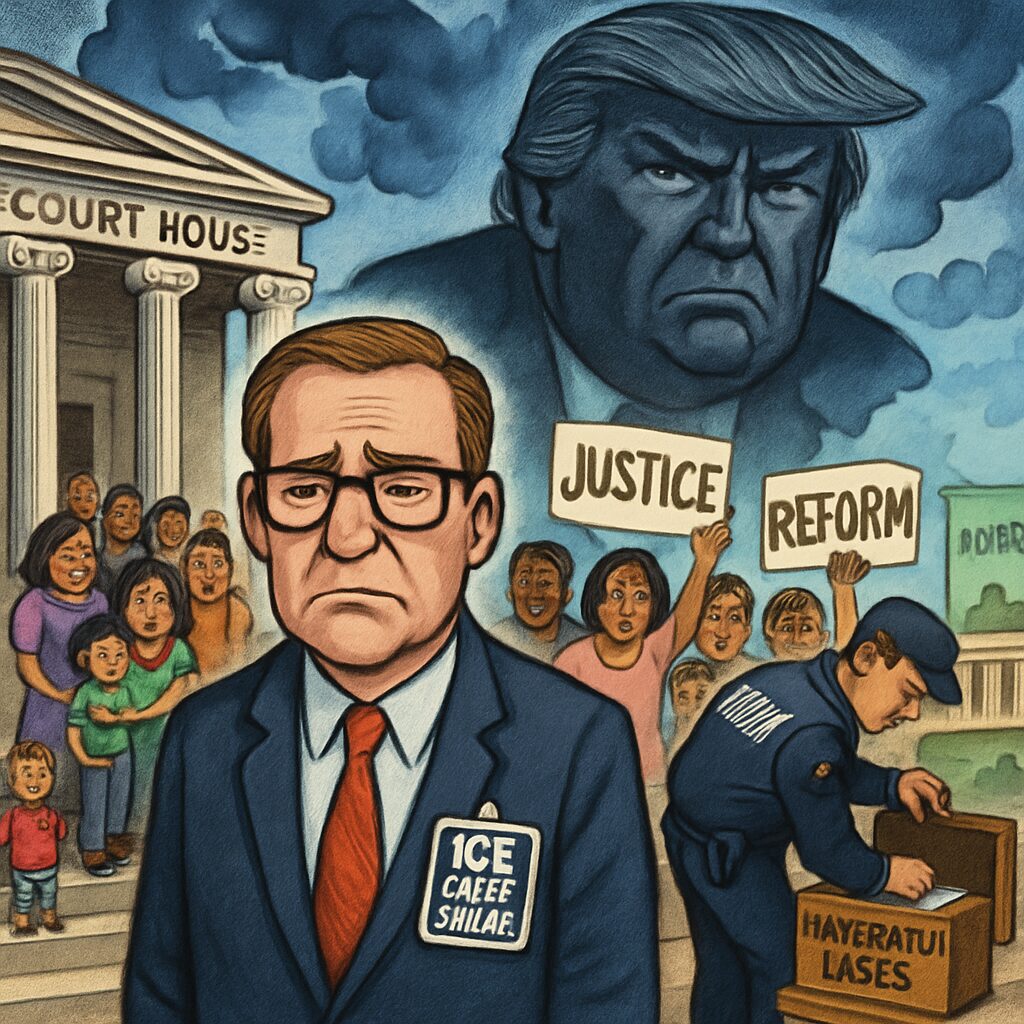
The top lawyer for Immigration and Customs Enforcement in Minnesota has retired after 31 years of service, as the agency faces a surge in immigration cases and operational strains under the Trump administration’s enforcement push. Chief Counsel Jim Stolley’s departure was confirmed by a Department of Homeland Security spokesperson, occurring amid a week where another ICE attorney was removed for candidly criticizing the overwhelming workload and government compliance issues in court.
Jim Stolley retired from his post as the chief counsel for ICE in Minnesota, with Department of Homeland Security spokesperson Tricia McLaughlin stating that his retirement was scheduled but providing no further details. Stolley confirmed his exit via an automatic email response, directing inquiries to a duty attorney, while CNN attempts to reach him by phone were unsuccessful. The New York Times was first to report Stolley’s departure, highlighting the significance of this move within the federal immigration apparatus. This retirement comes at a critical time when Minnesota’s courts have been inundated with immigration cases since the Trump administration intensified enforcement in the state last December.
The retirement coincides with the removal of ICE attorney Julie Le, who was detailed to Minnesota to assist with the immigration operation. Le was taken off her duties after telling a federal judge that “this job sucks” due to the crushing workload and the administration’s apparent inability to comply with court orders. Her comments, made during a hearing on Tuesday, offered a rare glimpse into the internal struggles within ICE, as she admitted that the government lacked enough lawyers on the ground to keep up with the caseload. Le described the process of correcting errors as like “pulling teeth,” underscoring the bureaucratic challenges faced by prosecutors.
In response to these tensions, the Trump administration announced on Wednesday a reduction in its immigration enforcement presence in Minnesota, including the immediate withdrawal of 700 federal law enforcement personnel. President Donald Trump signaled a potential shift in tactics, telling NBC News that same day that “maybe we can use a little bit of a softer touch, but you still have to be tough.” This drawdown suggests an acknowledgment of the operational strains and public backlash, though it remains part of a broader crackdown that has sparked controversy.
The enforcement surge in Minnesota has been marked by significant incidents, including the shooting of two U.S. citizens by federal law enforcement agents last month, which ignited extensive protests across the state. These events have fueled public outcry and heightened scrutiny over the administration’s aggressive tactics, with critics arguing that such measures undermine civil liberties and community trust. The shootings have become a focal point in debates over immigration policy, highlighting the human cost of intensified enforcement actions.
State and local officials in Minnesota have repeatedly pushed back against the federal operation, attempting to legally challenge its implementation. Earlier efforts to convince a federal judge in Minneapolis to temporarily block the enforcement surge were unsuccessful, leaving the administration’s measures in place despite objections from elected leaders. This resistance reflects broader tensions between federal immigration policies and local governance, with Minnesota authorities citing concerns over public safety and due process.
The retirement of Stolley and the removal of Le point to deeper systemic issues within ICE, including resource shortages and morale problems among legal staff. As immigration cases continue to mount, the agency’s ability to effectively prosecute and manage these matters is under strain, potentially affecting the outcomes of numerous legal proceedings. These developments raise questions about the sustainability of current enforcement strategies and the need for procedural reforms.
Looking ahead, the reduction in federal personnel and Trump’s comments on a “softer touch” may indicate a tactical recalibration, but the underlying challenges of handling immigration cases in Minnesota persist. The situation underscores the complex interplay between law enforcement, judicial oversight, and political will, with implications for future immigration policy and the functioning of the U.S. immigration system. As the administration navigates these issues, the impact on communities and legal processes in Minnesota will likely remain a point of contention and observation.

