

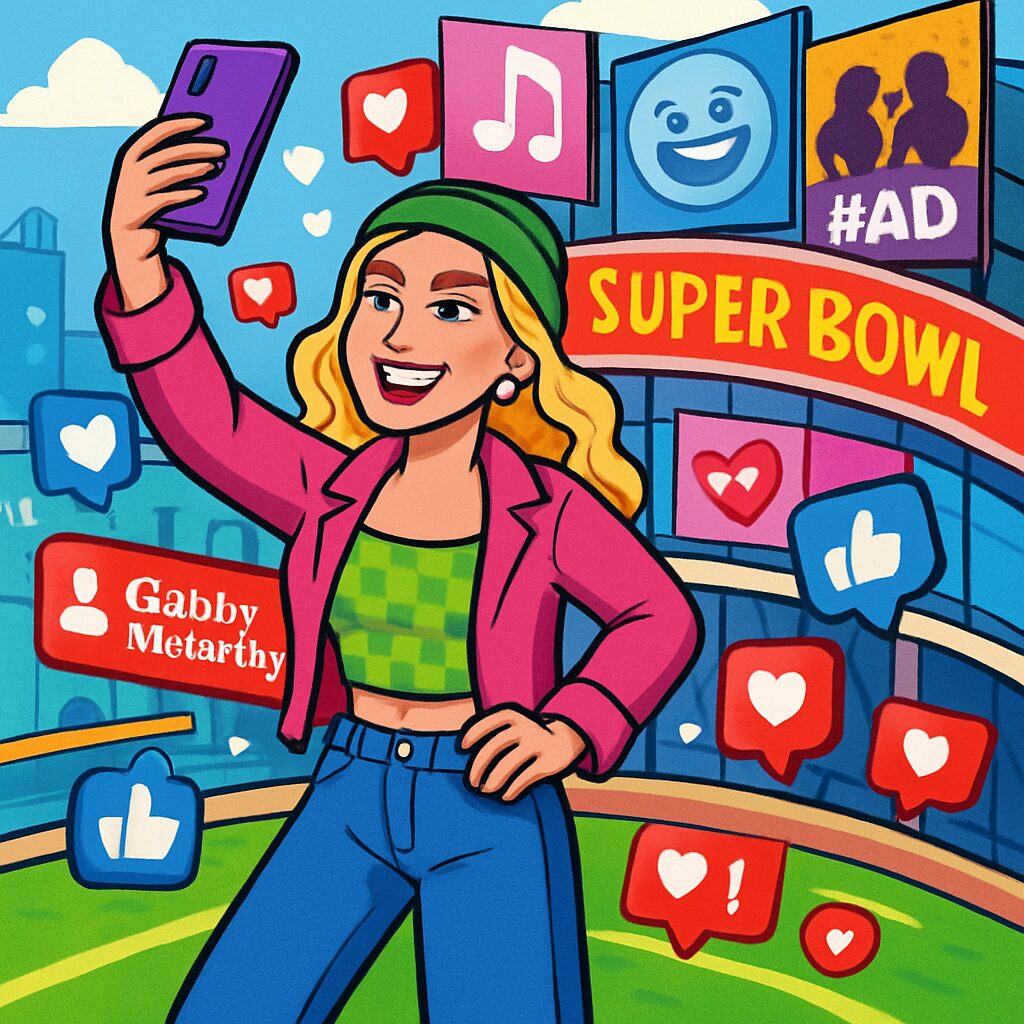
In early February 2026, entertainment outlets highlighted the growing influence of Generation Z in pop culture, driven by viral selfies from influencer Gabby McCarthy and a surge in youth-focused Super Bowl advertisements. This weekly roundup underscores the generation’s impact on digital media and advertising trends.
Gabby McCarthy, a prominent Gen-Z personality, captured widespread attention by sharing a series of bold and stylish selfies on social media platforms. These images, characterized by their confident and trendy aesthetics, quickly went viral, exemplifying how Gen-Z uses visual content to express identity and connect with peers online. The selfies sparked discussions about body positivity and fashion trends among younger audiences, reinforcing McCarthy’s status as a digital trendsetter.
Simultaneously, Super Bowl commercials this year featured an unprecedented number of ads specifically designed to appeal to Gen-Z viewers. Brands incorporated elements like popular music, internet memes, and collaborations with influencers to create relatable and engaging content. This shift represents a strategic move by advertisers to tap into the purchasing power and online engagement of younger consumers, who are increasingly shaping market dynamics.
The emphasis on Gen-Z in major advertising campaigns reflects broader cultural changes, as this demographic’s preferences drive innovation in marketing. Companies are allocating more resources to digital and social media campaigns, recognizing that traditional methods may not resonate with younger generations. This trend is evident in the Super Bowl’s ad lineup, where humor, authenticity, and social consciousness are prioritized to capture Gen-Z’s attention.
Industry experts note that the integration of Gen-Z themes into high-profile events like the Super Bowl signals a lasting transformation in media consumption. As digital natives, Gen-Z consumers favor interactive and shareable content, prompting brands to adopt more dynamic and participatory advertising strategies. This evolution could lead to more personalized and immersive marketing experiences in the future.
Coverage from reliable news sources such as TMZ and Fox Bangor frames these developments as part of a weekly series curating the hottest Gen-Z stories. The articles invite readers from all age groups to engage with and vote on trending topics, fostering a cross-generational dialogue about contemporary culture. This approach highlights the media’s role in bridging demographic gaps and promoting inclusive entertainment discourse.
Looking ahead, the continued prominence of Gen-Z in entertainment and advertising is likely to influence content creation across various platforms. As brands and creators adapt to this demographic’s values and behaviors, we can expect further innovations in how stories are told and products are marketed, shaping the future of pop culture and consumer engagement.

