

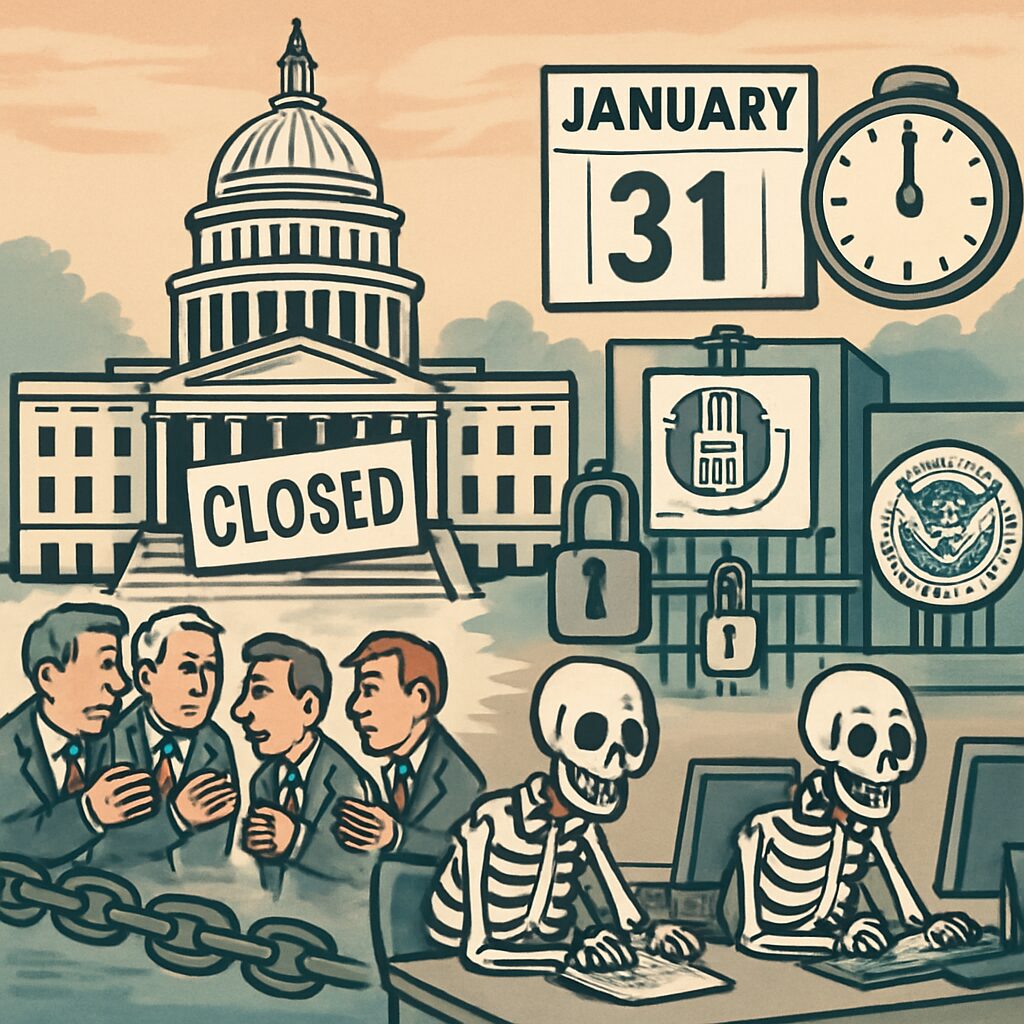
The U.S. federal government entered a partial shutdown early on January 31, 2026, after Congress missed the midnight deadline to pass a spending package, with the lapse expected to last at least through the weekend until the House reconvenes. This temporary closure primarily affects six federal agencies, including the Department of Housing and Urban Development (HUD), disrupting services and highlighting ongoing political gridlock.
On Friday evening, January 30, the Senate passed a spending measure that included five of the remaining six appropriations bills, covering about four-fifths of federal discretionary spending. The package also incorporated a two-week continuing resolution for the Department of Homeland Security (DHS), but Democratic concerns over immigration enforcement led to its removal from the initial deal. Despite bipartisan consensus on the other bills, the DHS funding dispute has been a persistent obstacle, delaying full congressional approval and contributing to the shutdown.
However, the House of Representatives is currently in recess and not slated to return until Monday, February 2. This means that even with Senate approval, the funding bills cannot be enacted until the House votes, resulting in at least a weekend-long shutdown for the affected agencies. Speaker Mike Johnson has indicated that the House will take up the bill promptly upon reconvening, but some Republican lawmakers are insisting on changes, adding uncertainty to the timeline and potential for prolonged disruption.
The shutdown stems from entrenched political battles over DHS funding, particularly related to Immigration and Customs Enforcement (ICE) operations. President Donald Trump endorsed the Senate plan on Thursday, which helped secure GOP support, but Democrats have raised objections to what they see as overly aggressive enforcement tactics. This deadlock has now spilled over to impact other critical departments, underscoring the challenges of bipartisan compromise in federal budgeting.
Agencies like HUD will operate under contingency plans during the shutdown, with most staff furloughed and only essential functions maintained. HUD has confirmed that a skeleton crew will handle emergencies, and online systems will remain operational, but processing delays are expected for housing programs, contracts, and subsidy payments. Other affected agencies face similar disruptions, potentially impacting federal workers, beneficiaries, and essential services across the country.
If the shutdown extends beyond Monday, it could have broader consequences, including delays in affordable housing subsidies and other federal aids, straining state and local resources. However, both Congress and the administration anticipate a short duration, with the Senate and White House having reached an agreement that awaits House approval. Historical precedents suggest that such partial shutdowns can be resolved quickly once political will aligns, but the current impasse reflects deeper ideological divides.
Looking ahead, the focus is on the House vote scheduled for Monday morning. If passed, President Trump is expected to sign the bills into law, ending the shutdown and restoring normal operations. However, if disagreements persist, the lapse could prolong, affecting more Americans and emphasizing the ongoing fragility of federal funding processes. This event serves as a reminder of the need for sustainable budgeting solutions to prevent future disruptions.

