

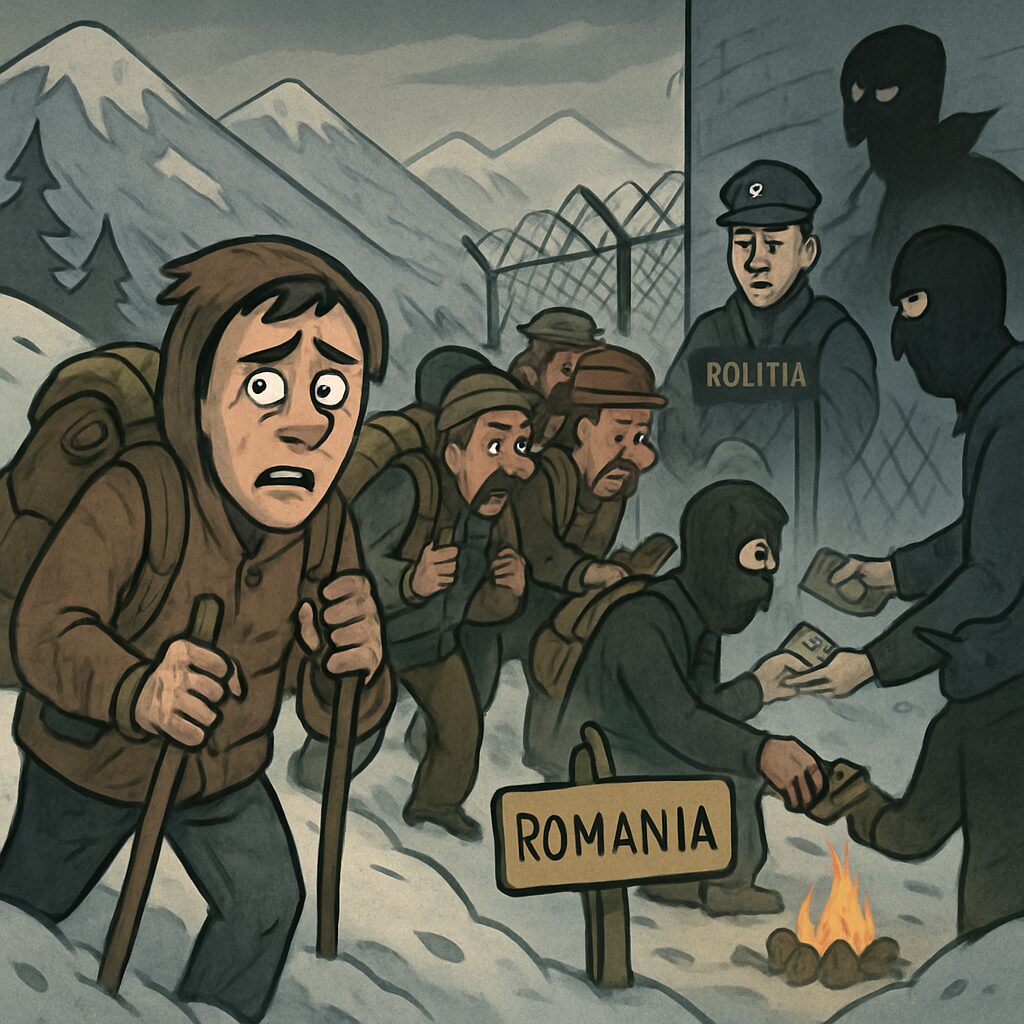
In the face of Ukraine’s protracted war with Russia, tens of thousands of Ukrainian men are attempting to escape conscription by undertaking hazardous journeys across border regions, particularly the Carpathian Mountains into Romania. This mass flight underscores a deepening manpower shortage as Kyiv struggles to sustain its defensive efforts against Russian advances.
Recent reports highlight individual stories of desperation, such as Viktor Pinkhasov, a 34-year-old taxi driver who recently trekked for five days to reach Romania, expressing a desire for freedom over potential death on the front lines. According to Romanian border police, over 30,000 Ukrainian men have crossed illegally since the conflict began in 2022, with many granted temporary protection in the EU. However, the journey is fraught with danger; at least 29 men have died from exposure or drowning, and others, like Dima who lost his toes to frostbite, bear lasting injuries from their escapes.
Ukraine’s martial law prohibits men aged 23 to 60 from leaving the country, contributing to a surge in illegal border crossings. The Ukrainian Prosecutor General’s Office has opened nearly 290,000 cases related to desertion, reflecting the scale of evasion. Meanwhile, rescue services in Romania, led by individuals like Dan Benga, have saved hundreds of Ukrainians from perilous mountain conditions, emphasizing the human cost of this exodus.
The context for this flight is shaped by ongoing changes in Ukrainian policy. In September 2025, President Volodymyr Zelensky announced that men aged 18 to 22 would no longer be barred from leaving, a move aimed at reducing pressure but also potentially exacerbating the recruitment crisis. This adjustment came amid broader discussions about lowering the conscription age to address troop shortages, as highlighted in international dialogues, including with the U.S.
Smuggling networks have capitalized on the demand, with operatives like “Artem” offering crossings for substantial fees and allegedly bribing border officials. Ukrainian authorities deny systemic corruption, but reports suggest that some evaders are mobilized after being caught, adding to the tension. The economic and social impacts are significant, with families torn apart and a stigma attached to desertion in a nation fighting for its survival.
From a broader perspective, Ukraine’s population has declined by millions due to the war, with refugee numbers remaining high and willingness to return decreasing. The UN estimates that as of February 2025, 6.7 million Ukrainians have become refugees, with internal displacement adding to the crisis. This demographic shift poses long-term challenges for national recovery and military sustainability.
As the war enters another year with no clear end in sight, the flight of draft-age men represents a critical vulnerability for Ukraine. While some, like volunteer Denys Vetushko, choose to stay and support the war effort, the growing exodus signals waning morale and highlights the difficult choices faced by civilians. The international community continues to monitor the situation, with implications for regional stability and humanitarian aid.
In conclusion, the perilous border crossings by Ukrainian men are a direct consequence of the prolonged conflict, reflecting both individual desperation and systemic challenges in military recruitment. The evolving legal landscape and ongoing smuggling activities complicate the picture, pointing to a need for comprehensive strategies to address manpower while safeguarding human lives.

