

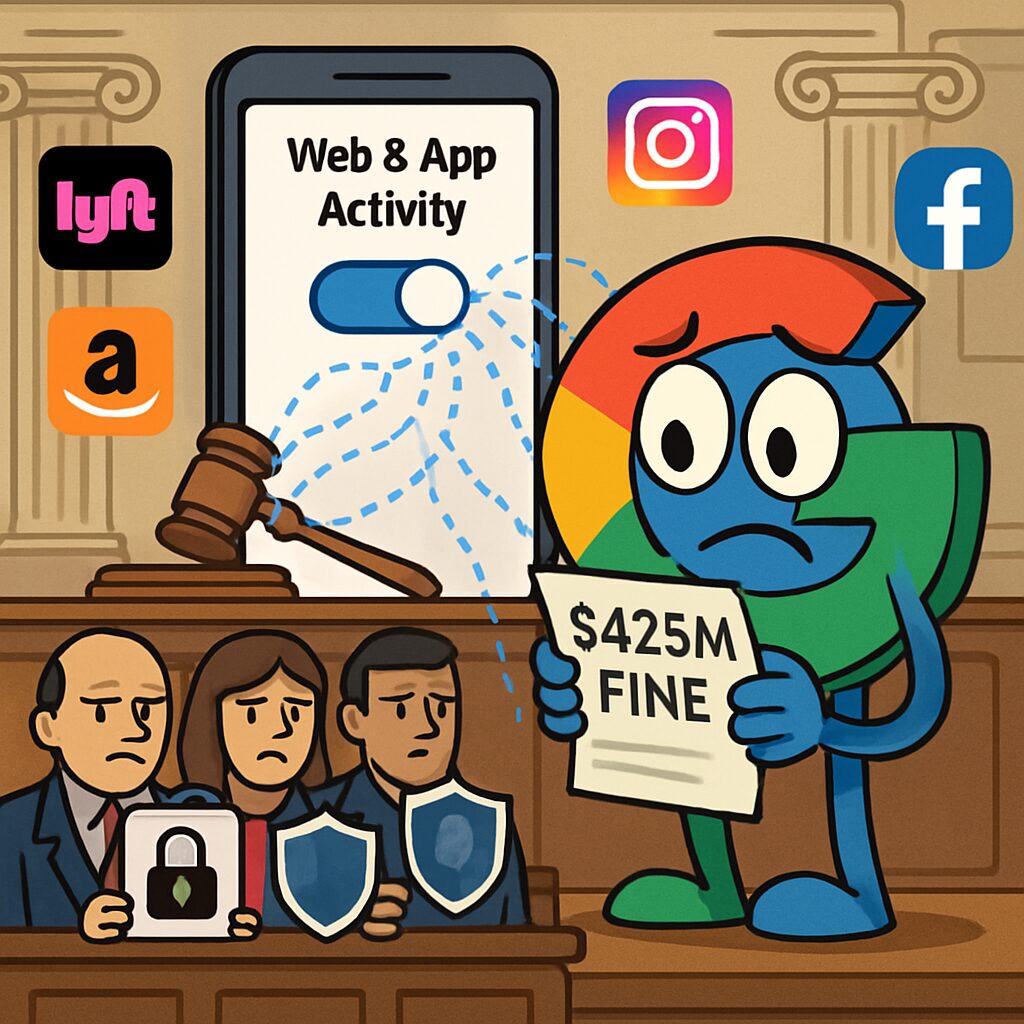

A US federal jury has ordered Google to pay $425 million in damages for privacy violations, finding that the company collected user data even after individuals disabled tracking settings. Google has stated it will appeal the verdict, arguing that the decision misrepresents how its privacy tools function.
The verdict was delivered on Wednesday in a San Francisco court, where the jury found Google liable for breaching user privacy by continuing to collect data from mobile apps despite users turning off the Web & App Activity feature in their accounts. This feature is designed to allow users to control data collection for personalized services, but the plaintiffs argued that Google’s actions undermined these assurances.
The class-action lawsuit was initially filed in July 2020 by a group of Google users who alleged that the company accessed their devices to collect, store, and utilize data in violation of privacy promises. The plaintiffs sought over $31 billion in damages, emphasizing the widespread nature of the alleged breaches and the impact on user trust.
Google responded to the verdict by emphasizing its commitment to user privacy and control. A spokesperson stated that the company’s tools honor user choices when personalization is turned off, and they believe the jury’s decision misunderstands the functionality of their products. Google plans to appeal the ruling, which could lead to a prolonged legal process.
The lawsuit covers approximately 98 million Google users and 174 million devices, making it one of the larger privacy cases against the tech giant. The allegations extend to data collection from numerous third-party apps, including those from companies like Uber, Lyft, Alibaba, Amazon, and Meta’s platforms such as Instagram and Facebook.
During the trial, Google defended its practices by arguing that the data collected when Web & App Activity is disabled is non-personal and pseudonymous, stored in secure and encrypted locations. The company maintained that this information does not identify individual users and respects privacy choices, aiming to counter claims of intentional wrongdoing.
This case is part of a broader context of privacy-related legal challenges facing Google. Earlier this year, the company agreed to a $1.375 billion settlement with Texas over similar privacy violations, indicating a pattern of regulatory scrutiny in the tech industry.
The jury’s decision found Google liable for two out of three claims of privacy violations but did not conclude that the company acted with malice. The appeal process may influence future privacy regulations and how tech companies handle user data, potentially shaping industry standards and consumer trust.